
 As a Realtor and a real estate professional with expertise in alternative housing, I've witnessed a significant evolution in how people approach homeownership and community. The traditional single-family home, while still popular, is no longer the sole ideal. We're seeing more and more lately, a powerful movement towards "co-" living. It’s a broad umbrella encompassing various shared housing models that offer affordability, community, and often, a more sustainable way of life. Let's delve into some of these “What was old, is now new again” options.
Co-Housing: Intentional Community with Private Spaces
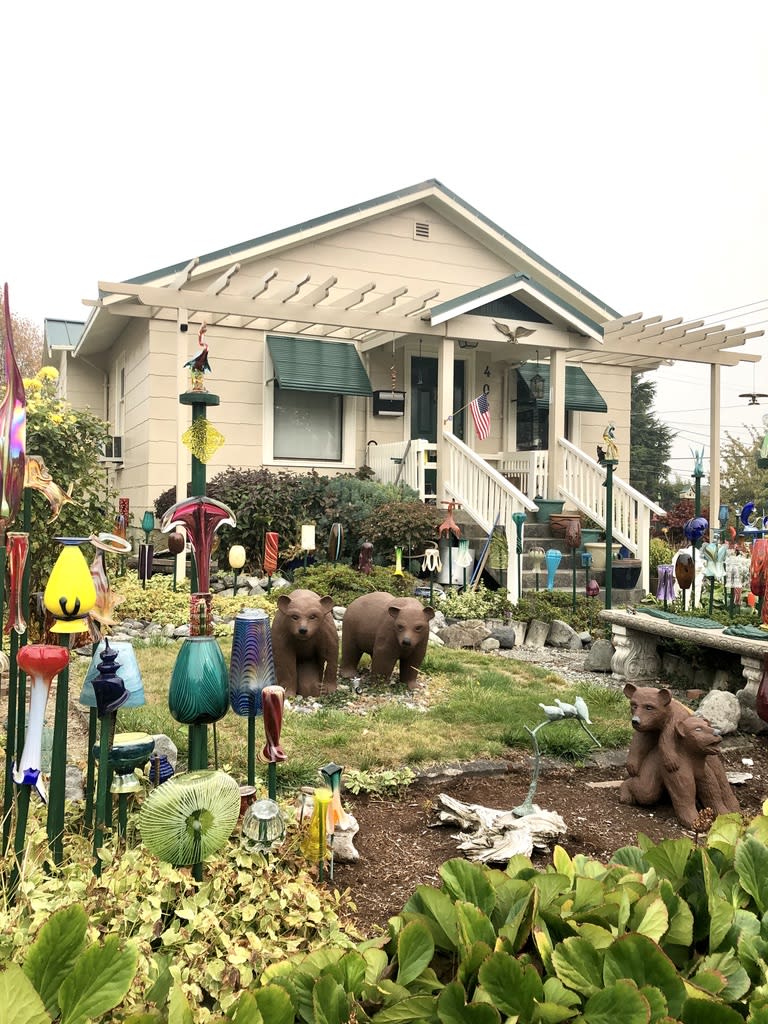
Co-housing is perhaps the most well-known form of intentional community. Much more popular in Northern Europe, residents typically own their private homes (either detached, townhouses, or apartments), but also share extensive common facilities like dining halls, workshops, gardens, special-purpose rooms, and playgrounds. The defining characteristic is the strong emphasis on community participation in design, decision-making, and shared activities. It's a balance of independence and interdependence, fostering deep connections among neighbors. Imagine having dinner with friends in a common house several times a week, while still retreating to your own private space. Need help from a babysitter, stat? Or help carrying a new piece of furniture up the stairs? Your neighbors become like family. There is usually someone around you, someone you know and trust, to help you in your moment of need. A subset of this type of housing the Agrivillage here is an example of a forming community in Western Washington State.
Housing Co-ops: Democratic Ownership
Housing cooperatives (co-ops) represent a truly democratic approach to homeownership. In a co-op, a corporation owns the entire building or development, and residents are shareholders in that corporation. Instead of owning real estate directly, you own shares that grant you the right to occupy a specific unit. Decisions about maintenance, finances, and community rules are made collectively by the shareholders, often through a board of directors. This model can offer significant cost savings and a strong sense of collective responsibility. While in Seattle, most multi-family buildings are condominiums, there are several co-ops in walkable parts of the city. Many of these small, studio or one-bedroom units are a century old. They tend to be less expensive than condos, and can be hard to finance due to bank regulations. It’s not uncommon for these to be purchased with cash at the turnover of ownership.
Co-Living Spaces: Modern and Flexible
Co-living, a more recent phenomenon, targets younger professionals and digital nomads (often seen in other countries as short-term rentals) seeking flexible housing with built-in community. These are typically purpose-built or renovated buildings with private bedrooms and bathrooms, but shared kitchens, living areas, and can host amenities like gyms, workspaces, and event programming. Co-living is beginning to be a home ownership option in Seattle. The developers offer financing because, again, banks haven’t caught up to this model of ownership yet. These offer less privacy than a co-op or condo, and it’s a turnkey solution for those who value convenience and social connection. Previous generations called these affordable set-ups rooming or boarding houses. Today, these co-living investments can be the first rung on the real estate equity ladder, and help launch a buyer into a down payment on a larger home with the acquired upside on the sale of their suite.
Co-Buying: Sharing the Investment
Co-buying involves two or more individuals purchasing a property together. This can be friends, family members, or even unrelated individuals who pool their resources to enter the housing market. While it offers a path to homeownership that might otherwise be out of reach, it's crucial to have a comprehensive co-ownership agreement in place. The document should outline financial contributions, other responsibilities and the exit strategies. Having clear cut agreements ensures a smooth and equitable arrangement. This can be a complex arrangement between friends or a much simpler agreement between aging elders and their children.
Other Shared Ownership Models
Beyond these primary categories, other variations exist. Multi-generational homes, where extended families live together, have seen a resurgence. Tiny home communities often share common land and resources, not unlike RV parks or mobile home communities. Even innovative land trusts can facilitate shared ownership and affordable housing, while allowing some equity to exit the community with the sale of a resident’s home.
The landscape of housing is continuously evolving, and these "co-" living models are at the forefront of that change. They offer compelling solutions for affordability, community building, and a more conscious approach to how we live and interact with our neighbors. As an expert in alternative housing, I believe these options will only continue to grow in popularity, shaping the future of real estate while drawing on the past successes.
You can contact me for the current available options in these more unusual and off-market living solutions. Of course, I also sell conventional homes. I believe in home ownership and help however I can to help people become Homeowners.