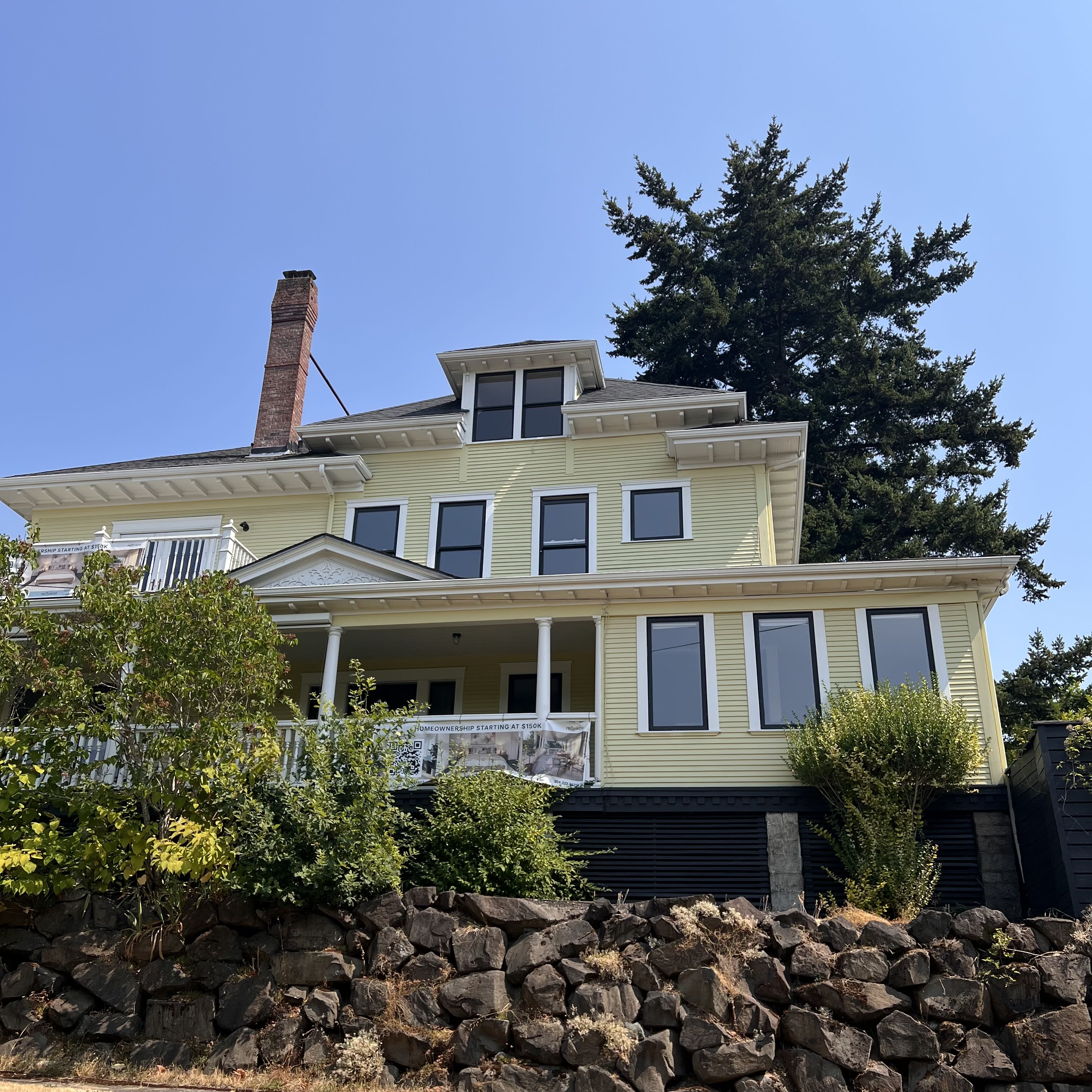

With home prices and monthly housing costs increasingly out of reach for many people, fractional housing offers a different way to think about homeownership. In this blog post, I am not going to address the high-end resort properties that are gaining popularity. This will explore how fractional ownership can be an answer for affordable housing. I introduced this new concept to a writer for Realtor.com, and the writer, Kiri did an amazing job explaining the possibly confusing concept in an understandable way. Read the Article HERE.
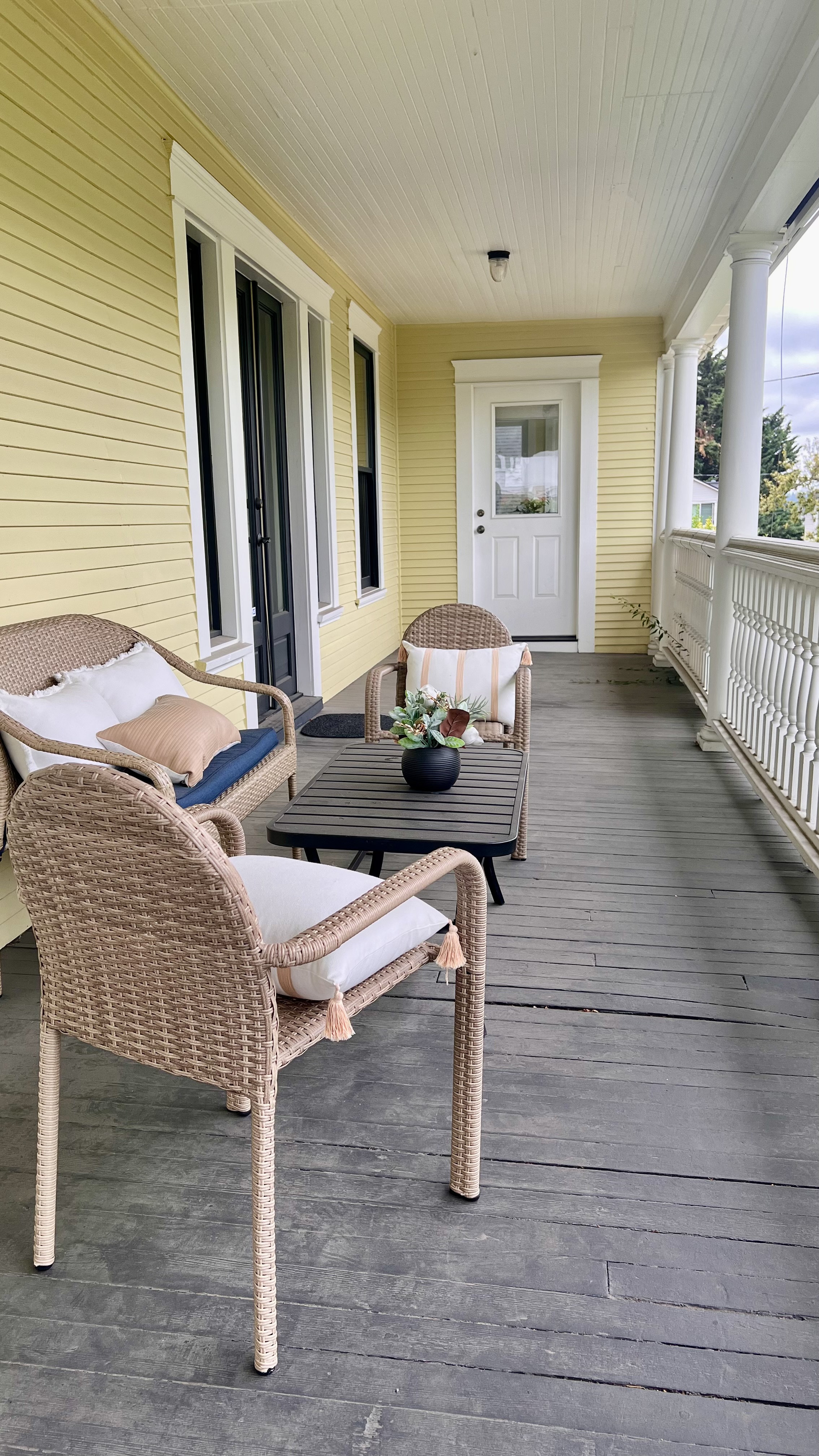
Instead of purchasing an entire property, several people share ownership of one home. Each owner typically has a private bedroom or suite, often with a private bathroom, while sharing larger spaces such as the kitchen, living room, garden, laundry, workshop, or outdoor areas. Unlike a timeshare, the idea is that each member of the household lives there full-time.
The most obvious advantage is affordability. Because each buyer purchases only a portion of the property, the initial cost can be significantly lower than buying a traditional home or condo. Ongoing expenses such as utilities, insurance, landscaping, cleaning, repairs, and maintenance can also be shared. In some arrangements, these costs are included in monthly dues and managed by a neutral third party—meaning fewer household chores and fewer arguments.
Each household can also establish its own expectations for community living. Policies regarding pets, smoking, guests, shared spaces, and responsibilities can be agreed upon collectively and put in writing from the beginning.
For first-time buyers, service workers, younger professionals, retirees, and downsizers, fractional ownership can open a door that traditional homeownership is increasingly closing. It can provide that important first rung on the property ladder, allowing someone to begin building equity years earlier than if they had to save for the down payment on an entire property. Money that might otherwise have gone entirely toward rent can instead help build equity toward a future home purchase.
For retirees, it can also offer an appealing alternative to traditional senior housing: downsizing into a mixed-age household or community while maintaining privacy, independence, and connection.
Unlike renting, fractional ownership may allow you to build equity and later sell your share to another buyer. Your years of monthly housing payments don't simply disappear.
Of course, shared ownership isn't for everyone. It requires communication, cooperation, and clear expectations. But there are benefits beyond affordability. Having neighbors nearby who might water your plants, collect a package, or care for your dog while you're away can be pretty nice, too.
As housing becomes more expensive in places like Seattle and throughout Western Washington, we may need to broaden our idea of what homeownership looks like. Fractional housing won't replace traditional ownership, but it could provide a realistic and attainable option for many of the people who make our communities better places to live—and who are increasingly being squeezed out of the American Dream of homeownership.
It's time to consider doing things differently. Reach out to me if you want to know more about this new concept, and it's just getting started!
Kim Mulligan
206-579-9066
kim@kim-mulligan.com